Introduction
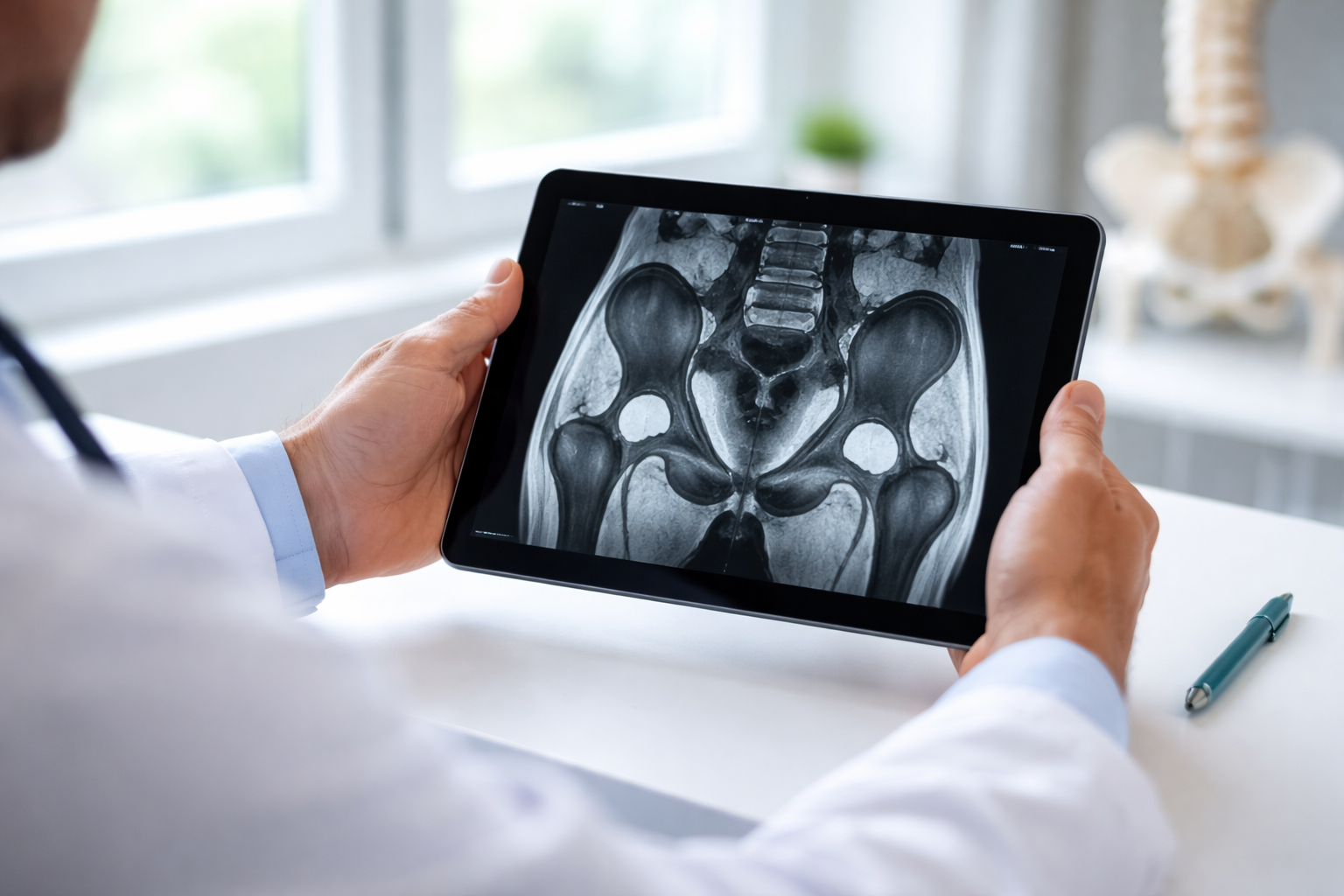
Hip pain can be frustrating, especially when it begins to interfere with walking, sleeping, or daily movement. For many patients, imaging results like X-rays or MRIs reveal a common cause: joint degeneration, often linked to arthritis or cartilage wear.
Hearing that your hip joint is “degenerating” may sound alarming, but it doesn’t automatically mean surgery is the only option. In reality, there are several effective approaches to hip pain treatment, ranging from conservative therapies to advanced joint replacement procedures.
AtDr. Michael Hunter, MD, hip pain treatment is tailored to match both imaging findings and symptoms, from conservative care to advanced surgical solutions when needed. Understanding what joint degeneration means—and what can be done about it—can help you make confident decisions about your next steps.
TLDR – Quick Guide
- Joint degeneration often means cartilage is wearing down, leading to stiffness and discomfort
- Many patients improve with physical therapy, injections, and lifestyle changes
- Surgery is typically considered only after conservative options stop working
- Hip replacement offers long-term relief for advanced degeneration
- Dr. Michael Hunter specializes in advanced hip pain treatment, including minimally invasive hip replacement
Detailed Breakdown
What Joint Degeneration Means in the Hip
Joint degeneration occurs when the cartilage inside the hip begins to wear down over time. Cartilage normally acts as a cushion between bones, allowing smooth, pain-free motion.
As this protective layer thins, the bones may begin to rub together. This can cause inflammation, reduced mobility, and increasing pain during everyday activity.
Degeneration is most commonly associated with osteoarthritis, but it may also occur from prior injury, structural issues, or long-term stress on the joint.
Common Symptoms When Imaging Shows Degeneration
Patients with degenerative changes often experience symptoms that gradually worsen over months or years.
Common signs include:
- Deep aching pain in the groin, outer hip, or thigh
- Stiffness when standing up after sitting
- Reduced range of motion when bending or rotating the leg
- Pain that worsens with walking or climbing stairs
- Night discomfort that interrupts sleep
It’s important to remember: imaging findings should always be matched with symptoms—not every scan requires aggressive treatment.
Hip Pain Treatment Options Before Surgery
Most patients begin with non-surgical approaches. These treatments aim to reduce inflammation, restore mobility, and slow progression.
Common first-line hip pain treatments include:
- Physical therapy to strengthen surrounding muscles
- Anti-inflammatory medications for symptom relief
- Activity modification to reduce joint stress
- Weight management for improved joint loading
- Assistive devices during flare-ups
Many patients can manage degenerative hip pain successfully for years using conservative care alone.
When Injections or Advanced Therapy May Help
For moderate degeneration, injections can provide meaningful relief, especially when pain is limiting function.
Options may include:
- Corticosteroid injections for inflammation reduction
- Hyaluronic acid injections in select cases
- Regenerative medicine therapies (depending on candidacy)
These treatments do not reverse degeneration, but they can reduce discomfort and improve quality of life while delaying surgical intervention.
When Hip Replacement Becomes the Best Solution
When imaging shows severe cartilage loss and symptoms begin affecting daily life consistently, surgical treatment may offer the most predictable results.
Hip replacement is often recommended when:
- Pain persists despite months of conservative treatment
- Walking becomes difficult or unstable
- Sleep is disrupted regularly
- Joint stiffness severely limits motion
- Arthritis progression is advanced on imaging
Dr. Michael Hunter provides advanced hip pain treatment, including minimally invasive hip replacement techniques designed for faster recovery and improved outcomes. Patients exploring surgical options often learn more through our hip replacement services and comprehensive orthopedic services.
What Recovery Looks Like After Hip Replacement
Today’s hip replacement procedures are significantly more advanced than in past decades. Most patients begin walking within a day, and many return home quickly.
A general recovery timeline includes:
- First few days: Assisted walking and pain management
- Weeks 1–6: Physical therapy and strength rebuilding
- Months 2–6: Full recovery with improved comfort and stability
For patients with severe degeneration, hip replacement often provides lasting relief and restored independence.
Key Takeaways
- Joint degeneration is common and often manageable in early stages
- Hip pain treatment should match both imaging findings and symptoms
- Physical therapy and lifestyle changes are often the first step
- Injections may help reduce inflammation and delay surgery
- Hip replacement remains the most effective solution for advanced degeneration
- Dr. Hunter offers expert surgical care for patients seeking long-term relief
FAQs
How do I know if my hip pain is caused by degeneration?
Degenerative hip pain is often deep, aching, and worsens with activity or stiffness. Imaging helps confirm cartilage wear, but symptoms guide treatment. A specialist can determine if degeneration is truly the source of pain.
Can joint degeneration be reversed?
Cartilage loss cannot typically be reversed once it occurs. However, treatment can reduce inflammation, improve movement, and slow progression. Many patients find relief without needing surgery right away.
What is the best hip pain treatment for early degeneration?
Physical therapy and activity modification are usually the best starting points. These approaches strengthen supportive muscles and reduce joint strain. Early care often delays the need for surgical intervention.
When should I consider hip replacement?
Hip replacement is usually considered when pain affects walking, sleep, and daily function despite conservative care. Imaging showing advanced arthritis strengthens the case. A consultation helps clarify the right timing.
How long does hip replacement relief last?
Modern hip implants often last 15–20 years or longer. Outcomes depend on activity level, implant type, and overall health. Most patients experience major pain relief and improved mobility long-term.
Ready to discuss your hip or knee concerns with Dr. Hunter?