Knee replacement recovery time
Knee Replacement: Recovery Time and When Patients Typically Drive Again
Introduction
Knee replacement is often life-changing for patients dealing with severe arthritis, chronic pain, or limited mobility. While the procedure itself is highly successful, the recovery period plays a huge role in how well you regain strength, movement, and long-term comfort.
Recovery is not just about healing the incision — it’s about rebuilding function. Patients want to know when walking will feel normal, when they can drive again, and how long until they return to work or exercise.
AtDr. Michael Hunter, MD, knowing what’s typical during each phase of knee replacement recovery time removes uncertainty and helps set realistic expectations. Dr. Hunter provides specialized knee replacement and partial knee replacement options depending on each patient’s condition and goals.
TLDR – Quick Guide
Most patients can expect:
- Driving again: Around 4–6 weeks after surgery (sometimes sooner for the left knee)
- Walking without aids: Often within 3–6 weeks
- Returning to daily activities: Around 6–12 weeks
- Full recovery: Commonly takes 3–6 months, with continued improvement for up to a year
Every recovery timeline is personal, but structured rehab makes a major difference.
Detailed Breakdown
What Is the Typical Knee Replacement Recovery Time?
Knee replacement recovery happens in stages, not overnight. Most patients feel meaningful relief early, but full functional recovery requires time, consistency, and physical therapy.
Early Recovery (Weeks 1–2)
This is when pain control, swelling reduction, and gentle movement begin. Patients usually start walking with support within the first day or two.
Mid Recovery (Weeks 3–6)
Mobility improves steadily. Many patients transition from walkers to canes and begin regaining independence at home.
Advanced Recovery (Weeks 7–12)
Strength returns, endurance increases, and patients resume more normal daily routines like shopping, working, or longer walks.
Full Recovery (3–6 Months+)
While patients often feel better by 3 months, full healing and muscle rebuilding may continue for up to a year. Dr. Hunter’s joint replacement care emphasizes modern techniques that support faster functional progress, especially for active individuals.
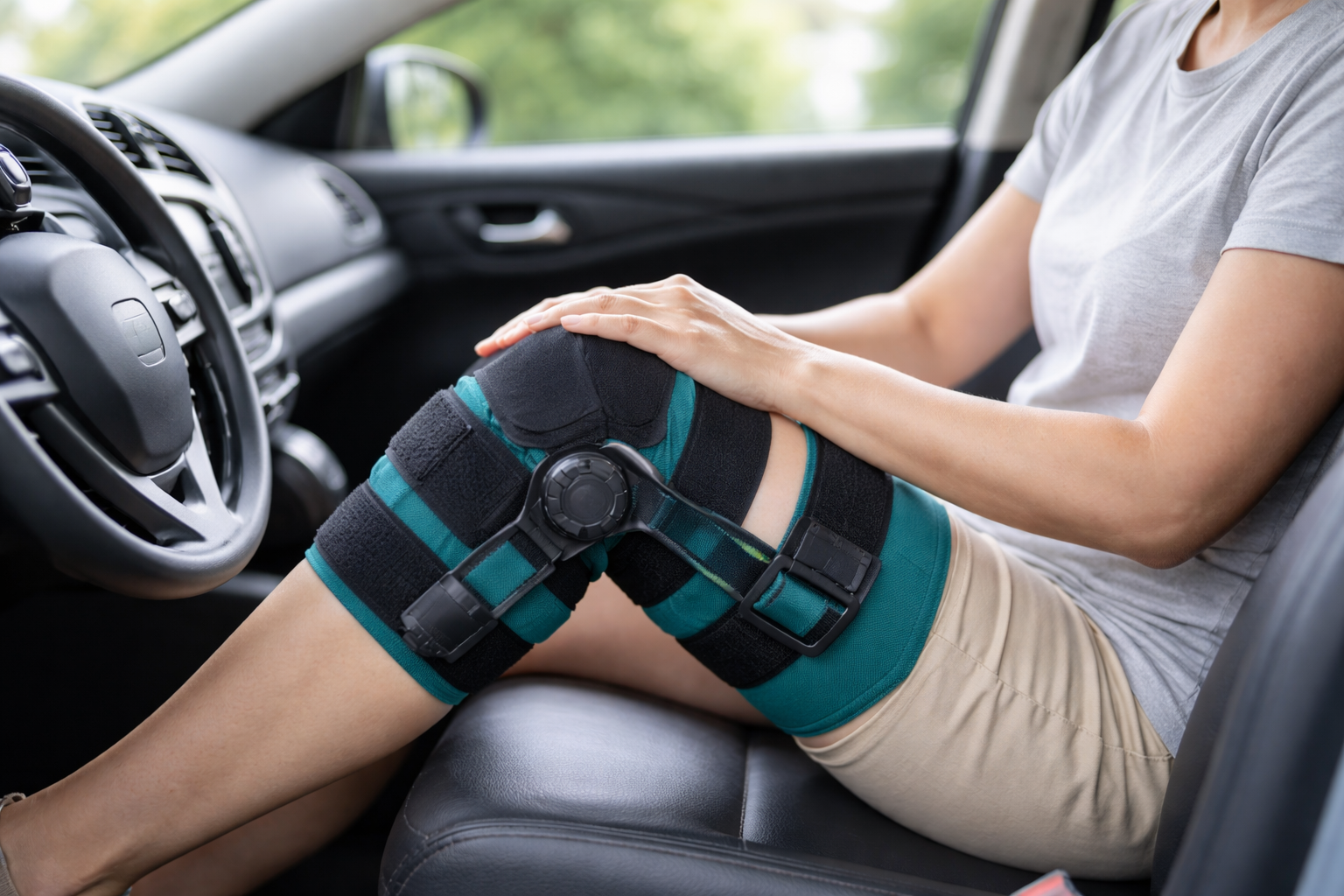
When Can Patients Typically Drive Again After Knee Replacement?
Driving is one of the biggest milestones because it signals independence — but it must be done safely.
Most patients can drive again when they meet these conditions:
- You’re no longer taking narcotic pain medication — driving under the influence of strong pain medication is unsafe
- Your reaction time has returned — you must be able to brake quickly without hesitation
- You have enough strength and range of motion for controlled leg movement and stability
Typical Driving Timeline
Right knee replacement: Most patients return to driving in 4–6 weeks, since the right leg controls braking and acceleration.
Left knee replacement: Patients with automatic cars may drive sooner, often around 2–4 weeks, if comfort and mobility allow.
Partial knee replacement: Recovery is sometimes faster, with driving possible in 3–4 weeks for some patients. Dr. Hunter offers both knee replacement and partial knee replacement through our knee replacement services, depending on arthritis severity and patient needs.
Factors That Affect Knee Replacement Recovery Time
Not every recovery follows the same schedule. Several factors influence how quickly you return to driving and daily life.
- Type of surgery: Partial knee procedures often involve less disruption and quicker rehab compared to total replacement
- Physical therapy consistency: Patients who follow therapy plans closely tend to regain mobility faster
- Overall health and fitness: Stronger muscles, good circulation, and healthy weight can improve healing speed
- Age and activity level: Active patients often recover function sooner, though every case is unique
Dr. Hunter’s experience treating high-performance individuals through sports medicine training supports recovery strategies designed for long-term movement and strength.
What to Expect During Recovery
A successful recovery includes more than resting — it requires active participation.
Before surgery:
- Pre-operative planning and imaging
- Strength preparation
- Clear expectations about rehabilitation
During surgery, Dr. Hunter uses advanced joint replacement techniques to restore alignment and improve mobility outcomes.
After surgery:
- Physical therapy begins quickly
- Most patients walk same-day or next-day
- Gradual return to function over several months
Patients needing additional joint evaluation may also benefit from arthroscopic surgery for related knee conditions as part of comprehensive orthopedic services.
Key Takeaways
- Knee replacement recovery time is typically 3–6 months, with continued progress up to a year
- Most patients can drive again around 4–6 weeks, once strength, control, and medication use are safe
- Partial knee replacement may allow for a faster return to driving
- Rehab consistency is one of the most important factors in recovery success
- Dr. Michael Hunter specializes in advanced knee replacement and partial knee replacement care with a focus on restoring long-term mobility
FAQs
How long does knee replacement recovery take overall?
Most patients recover significantly within 3 months, but full healing can take 6 months or longer. Strength and flexibility continue improving over time. Many patients feel their best around the one-year mark.
When can I drive again after knee replacement surgery?
Driving is usually safe around 4–6 weeks after surgery for right knee procedures. You must be off narcotic medications and able to react quickly. Always confirm clearance with your surgeon first.
Is recovery faster with partial knee replacement?
Yes, partial knee replacement often involves a shorter recovery timeline. Many patients regain mobility sooner because less joint tissue is replaced. Driving may return closer to 3–4 weeks in some cases.
What delays recovery after knee replacement?
Inconsistent physical therapy, excessive swelling, or underlying health conditions can slow recovery. Overdoing activity too early may also cause setbacks. A structured rehab plan helps prevent complications.
What is the best way to speed up recovery safely?
The best recovery results come from regular physical therapy, proper rest, and gradual movement progression. Staying active within safe limits improves circulation and strength. Surgeons like Dr. Hunter guide patients through personalized recovery plans.
Ready to discuss your hip or knee concerns with Dr. Hunter?