Introduction
Total hip replacement is one of the most reliable orthopedic procedures for relieving pain and restoring mobility in patients with severe hip joint damage. For individuals considering this surgery, one of the most common and important questions is how long an artificial hip will last. Understanding implant longevity helps patients set realistic expectations and make informed decisions about their long-term joint health.
AtDr. Michael Hunter, MD, total hip replacement is approached with a focus on durability, function, and long-term outcomes. By combining modern implant technology with personalized surgical planning, total hip replacement is designed to support an active and comfortable lifestyle for many years.
TLDR – Quick Guide
- Total hip replacement is designed to provide long-term pain relief and improved mobility
- Most artificial hips last 15 to 20 years or longer with proper care
- Implant longevity depends on activity level, implant materials, and overall health
- Advances in surgical techniques continue to improve total hip replacement outcomes
- A personalized evaluation helps determine expectations for implant lifespan
Detailed Breakdown
What Total Hip Replacement Involves
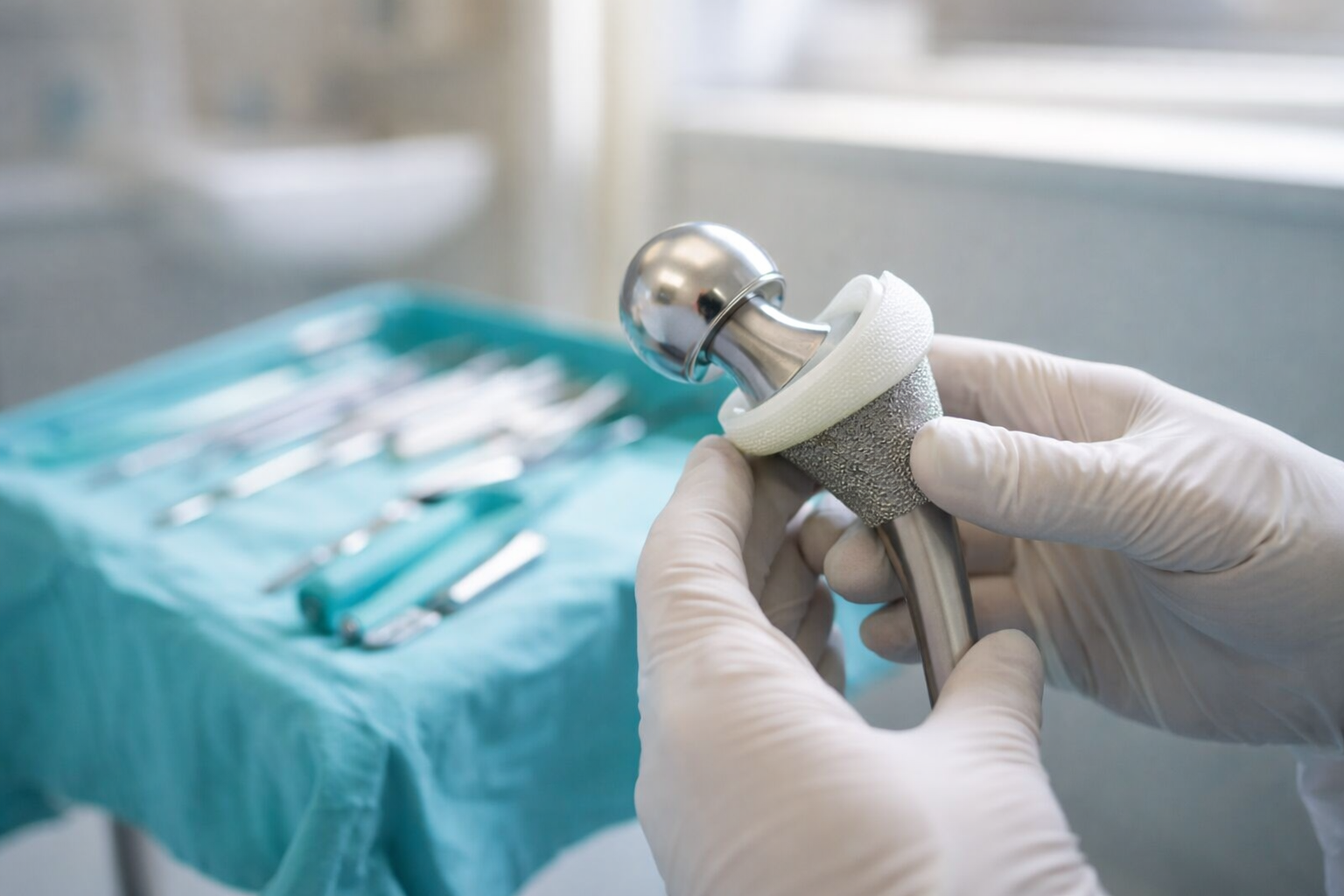
Total hip replacement is a surgical procedure that removes damaged portions of the hip joint and replaces them with artificial components. These typically include a metal or ceramic ball and a durable socket liner designed to allow smooth, stable joint movement.
The primary goals of total hip replacement include:
- Relieving chronic hip pain
- Restoring joint alignment and function
- Improving mobility and overall quality of life
As part of comprehensive orthopedic services, total hip replacement focuses on long-term joint performance rather than short-term symptom relief.
How Long Artificial Hips Usually Last
One of the most common reasons patients choose total hip replacement is its proven durability. Modern artificial hips are engineered to withstand daily activities and repetitive movement over many years.
In general:
- Most total hip replacement implants last 15 to 20 years or longer
- Many patients experience excellent function well beyond this timeframe
- Longevity varies based on individual factors and activity levels
Ongoing improvements in materials and implant design continue to extend the lifespan of total hip replacement components.
Factors That Affect Total Hip Replacement Longevity
While total hip replacement implants are highly durable, several factors influence how long an artificial hip lasts. Understanding these factors helps patients protect their investment in long-term joint health.
Key influences include:
- Activity level and repetitive high-impact movement
- Body weight and joint load
- Implant materials and fixation method
- Bone quality and overall health
Patients who follow post-surgical guidance and maintain joint-friendly activities often experience longer-lasting results after total hip replacement.
Advances in Implant Materials and Surgical Techniques
Modern total hip replacement benefits from significant advances in implant materials and surgical precision. Ceramic and highly cross-linked polyethylene components reduce wear and improve joint performance.
Surgical techniques now emphasize:
- Accurate implant positioning
- Preservation of surrounding tissues
- Improved joint stability and alignment
These advancements play a major role in improving total hip replacement longevity and patient satisfaction.
Signs an Artificial Hip May Need Evaluation
Although total hip replacement is designed for long-term success, some patients may eventually need further evaluation or revision surgery. Recognizing early signs of implant issues allows for timely intervention.
Patients should seek evaluation if they experience:
- Increasing hip pain after a period of stability
- Reduced range of motion or joint stiffness
- Sensations of instability or joint noise
Regular follow-up as part of ongoing orthopedic services helps monitor implant performance over time.
Long-Term Expectations After Total Hip Replacement
Total hip replacement is chosen not only for pain relief but also for its ability to restore confidence in movement. Most patients return to daily activities, low-impact exercise, and an improved quality of life.
Long-term benefits often include:
- Sustained pain reduction
- Improved walking and functional mobility
- Greater independence and activity participation
With proper care, total hip replacement offers predictable and lasting results for many patients.
Key Takeaways
- Total hip replacement is designed to provide durable, long-term joint function
- Most artificial hips last 15 to 20 years or longer
- Implant longevity depends on activity level, health, and implant materials
- Advances in technology continue to improve total hip replacement outcomes
- Personalized care supports long-term success after surgery
FAQs
How long does a total hip replacement usually last?
Most total hip replacement implants last between 15 and 20 years or longer. Many patients experience reliable joint function beyond this range. Longevity depends on activity level, health, and implant materials.
Can a total hip replacement wear out?
Yes, artificial hips can experience wear over time, particularly with high-impact activity. Modern materials are designed to reduce wear significantly. Regular monitoring helps detect changes early.
What activities are safe after total hip replacement?
Low-impact activities such as walking, swimming, and cycling are generally encouraged after total hip replacement. High-impact sports may increase wear on the implant. Activity recommendations are personalized based on recovery and lifestyle.
Will I need another surgery after total hip replacement?
Some patients may eventually require revision surgery, but many do not. Advances in implant durability have reduced the need for repeat procedures. Ongoing follow-up helps assess implant health.
How can I help my total hip replacement last longer?
Following rehabilitation guidelines, maintaining a healthy weight, and choosing joint-friendly activities can help extend implant life. Regular orthopedic evaluations also support long-term success.
Ready to discuss your hip or knee concerns with Dr. Hunter?