Walking after hip replacement surgery
Walking After Hip Replacement Surgery: What Progress Looks Like in Week One
Introduction
Walking after hip replacement surgery is one of the most important milestones patients focus on during early recovery. Many patients are surprised to learn that walking often begins sooner than expected, sometimes on the same day as surgery. Understanding what progress typically looks like during the first week helps patients feel prepared, confident, and motivated as they begin moving again.
AtDr. Michael Hunter, MD, walking after hip replacement surgery is guided by structured rehabilitation and personalized care plans. The first week sets the foundation for long-term recovery, making early movement both safe and purposeful.
TLDR – Quick Guide
- Walking after hip replacement surgery often begins within the first day
- Support devices are commonly used during early recovery
- Short, frequent walks are encouraged during week one
- Strength and confidence improve gradually each day
- Guided rehabilitation supports safe progress
Detailed Breakdown
Why Walking Is Encouraged Soon After Surgery
Walking after hip replacement surgery plays a critical role in recovery. Early movement helps improve circulation, reduce stiffness, and support muscle activation around the new joint.
Key benefits of early walking include:
- Promoting healthy blood flow
- Supporting joint mobility
- Reducing the risk of post-operative complications
As part of comprehensive orthopedic services, walking is introduced in a controlled and supervised manner to ensure safety.
Day One: First Steps After Hip Replacement Surgery
For many patients, walking after hip replacement surgery begins within the first 24 hours. These early steps are taken with assistance and focus on proper technique rather than distance.
On day one, patients often:
- Stand and walk short distances with support
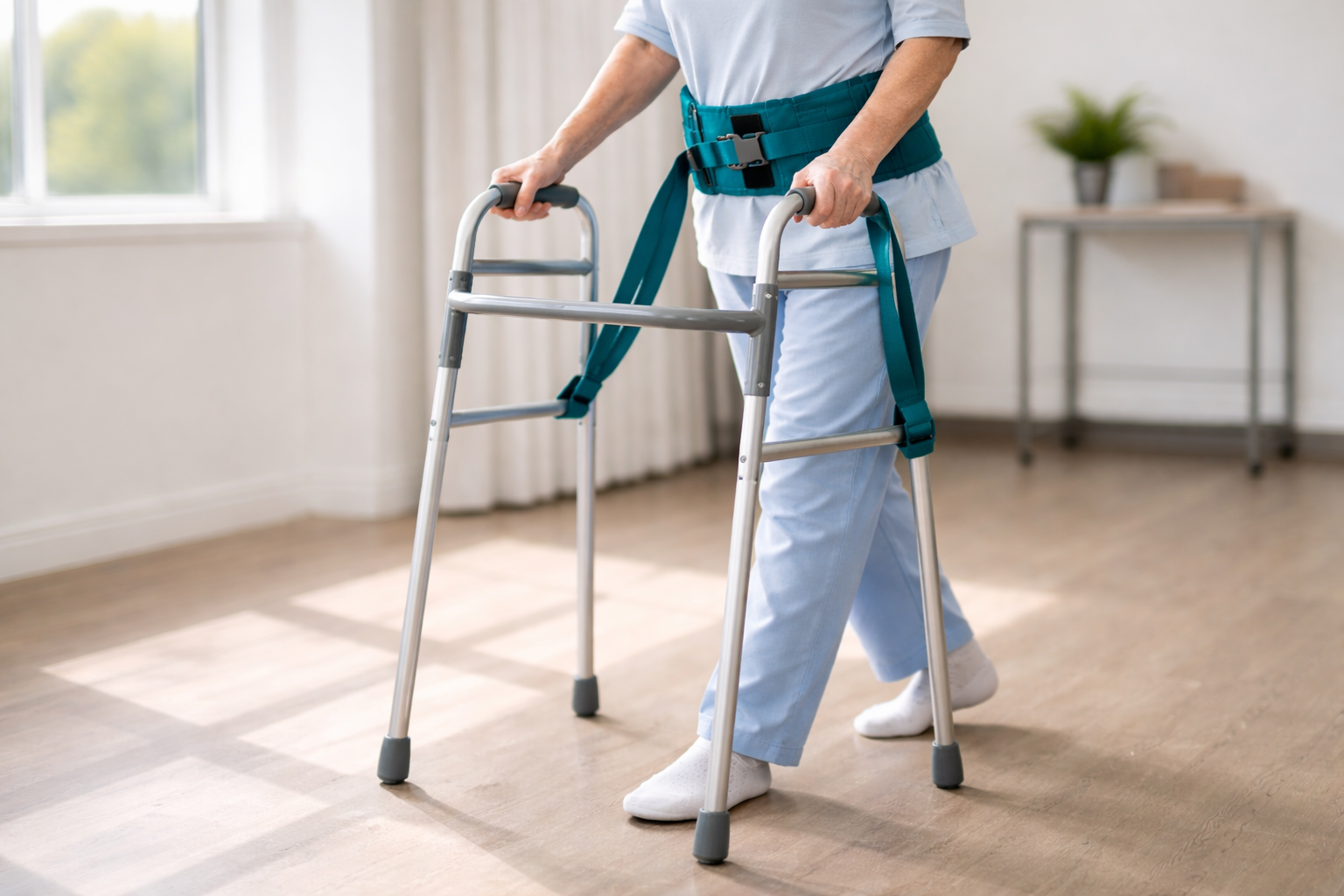
- Use assistive devices such as walkers or crutches
- Practice safe weight-bearing and posture
This initial phase helps patients regain confidence and trust in their new joint.
Days Two to Three: Building Comfort and Consistency
As walking after hip replacement surgery continues, patients typically begin to feel more comfortable with movement. Walking distances may gradually increase, but rest remains equally important.
During this stage, progress often includes:
- Improved balance and coordination
- Slightly longer walking intervals
- Reduced reliance on assistance
Physical therapy guidance during this period helps reinforce proper walking mechanics and joint protection.
Days Four to Seven: Gaining Strength and Confidence
By the end of the first week, many patients notice meaningful improvements in their ability to walk. Walking after hip replacement surgery becomes more fluid as swelling decreases and muscle activation improves.
Common milestones during this phase include:
- Increased walking frequency throughout the day
- Improved posture and stride control
- Growing confidence with daily movement
Patients receiving care through our hip replacement services are encouraged to focus on steady progress rather than speed.
The Role of Assistive Devices in Week One
Assistive devices play an important role in walking after hip replacement surgery during the first week. These tools provide stability while muscles regain strength and coordination.
Assistive support may include:
- Walkers for maximum stability
- Crutches for transitional support
- Guidance on proper use to avoid strain
The transition away from assistive devices is gradual and based on individual progress.
What Patients Should Avoid While Walking Early On
While walking after hip replacement surgery is encouraged, certain movements should be avoided during the first week to protect healing tissues.
Patients are typically advised to:
- Avoid sudden twisting or pivoting
- Limit long walking sessions without rest
- Follow specific movement precautions provided by their care team
Adhering to these guidelines supports safe healing and reduces the risk of setbacks.
Key Takeaways
- Walking after hip replacement surgery often begins within the first day
- Early walking supports circulation, mobility, and confidence
- Week one focuses on short, frequent walks with support
- Assistive devices help ensure safety during early recovery
- Guided rehabilitation promotes steady, safe progress
FAQs
When can I start walking after hip replacement surgery?
Most patients begin walking after hip replacement surgery within the first day. Initial walking is assisted and closely monitored. Timing depends on comfort and medical stability.
How much walking is normal during the first week?
Short, frequent walks are typical during week one. Distance gradually increases as strength and confidence improve. Rest is equally important during early recovery.
Will walking feel painful at first?
Some discomfort is normal when walking after hip replacement surgery early on. Pain usually improves as swelling decreases and muscles strengthen. Pain management and therapy help control symptoms.
Do I need a walker or crutches?
Most patients use a walker or crutches during the first week. These devices provide stability and support. Transition away from them is based on progress.
How does walking help recovery?
Walking improves circulation, prevents stiffness, and strengthens muscles around the new joint. It also helps patients regain independence. Walking is a key part of the overall recovery process.
Ready to discuss your hip or knee concerns with Dr. Hunter?