exercises before hip replacement surgery
Which Exercises Should You Do Before Hip Replacement Surgery?
Introduction
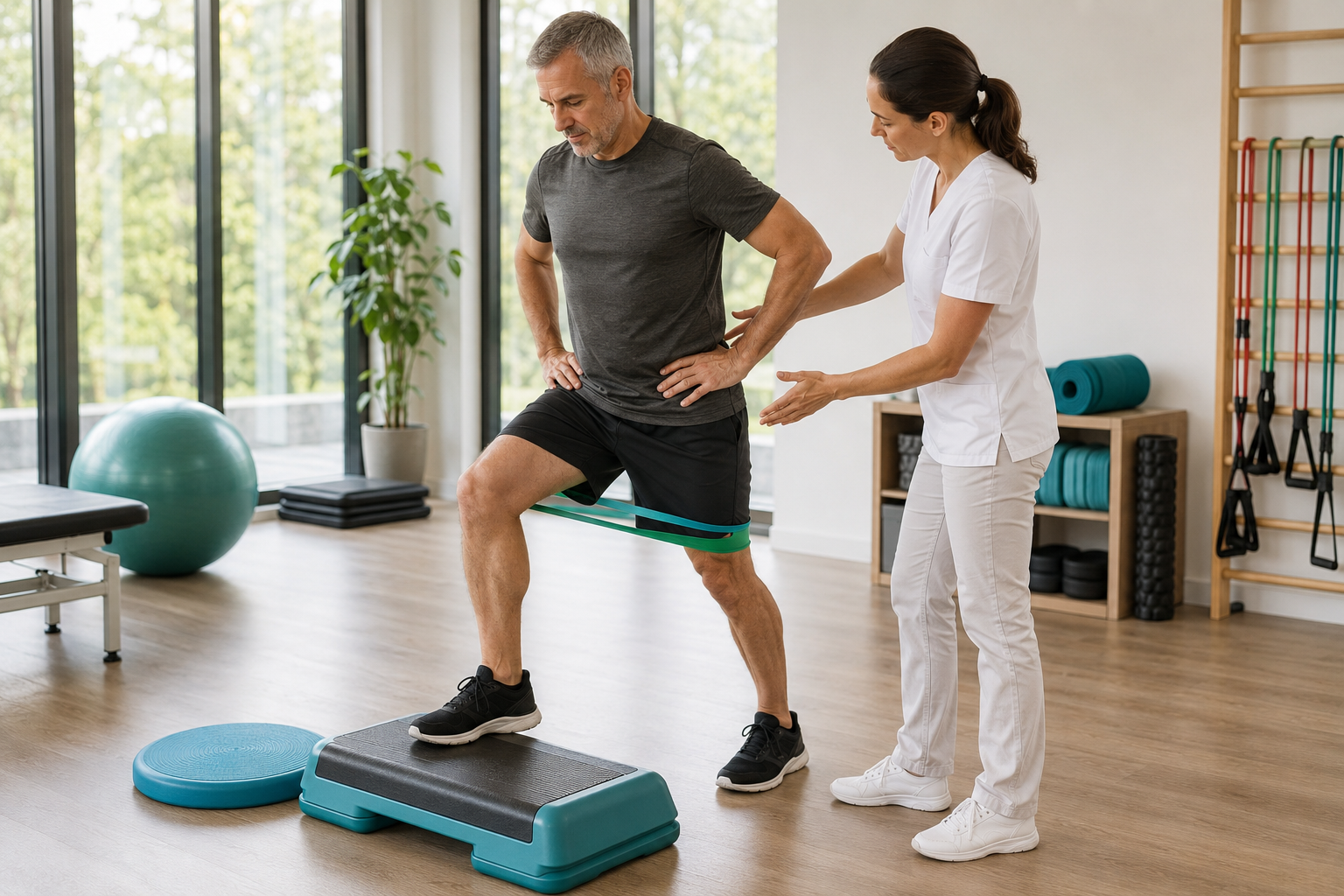
Preparing for hip replacement surgery involves more than scheduling your procedure—it also means getting your body ready for recovery. Performing the right exercises before hip replacement surgery can help strengthen the muscles surrounding your hip, improve flexibility, and make it easier to regain mobility after your operation.
At Dr. Michael Hunter Orthopedic Surgery, patients receive personalized treatment plans designed to optimize both surgical outcomes and recovery. While exercise cannot reverse severe joint damage, building strength and improving conditioning before surgery—often called "prehabilitation" or "prehab"—may help reduce postoperative challenges and support a faster return to daily activities.
Always speak with your orthopedic surgeon or physical therapist before beginning any exercise program, especially if you have severe pain or advanced arthritis.
TLDR – Quick Guide
- Preoperative exercise helps strengthen muscles before surgery.
- Focus on low-impact movements that improve strength and flexibility.
- Walking, gentle stretching, and strengthening exercises are commonly recommended.
- Avoid exercises that significantly increase hip pain.
- Consistency is more important than intensity.
- Stop any exercise that causes sharp or worsening pain.
- Learn more about Hip Replacement and personalized treatment options.
Why Exercise Before Hip Replacement Matters
Preparing Your Body for Recovery
Many patients believe they should completely rest before surgery, but appropriate movement often provides significant benefits.
Prehabilitation may help:
- Improve muscle strength
- Maintain joint mobility
- Improve balance
- Increase endurance
- Support postoperative rehabilitation
- Improve confidence before surgery
Patients who enter surgery in better physical condition are often better prepared for rehabilitation afterward.
Walking
One of the Best Preoperative Exercises
Walking remains one of the safest and most effective exercises before hip replacement surgery.
Benefits include:
- Improved circulation
- Better endurance
- Gentle joint movement
- Maintenance of mobility
- Cardiovascular fitness
Walk only as far as your symptoms comfortably allow. If walking increases pain significantly, shorter walks or assistive devices may be appropriate.
Patients experiencing chronic Hip Pain should discuss walking limitations with their orthopedic surgeon.
Seated Knee Extensions
Strengthening the Quadriceps
Strong thigh muscles play an important role during recovery.
To perform this exercise:
- Sit comfortably in a sturdy chair.
- Slowly straighten one knee.
- Hold for several seconds.
- Lower the leg slowly.
- Repeat on both sides.
This exercise places minimal stress on the hip while strengthening muscles needed for walking after surgery.
Glute Squeezes
Activating Important Hip Muscles
The gluteal muscles help stabilize the hip joint.
To perform:
- Lie down or sit comfortably.
- Tighten your buttock muscles.
- Hold for 5–10 seconds.
- Relax slowly.
- Repeat several times.
These exercises require very little movement while strengthening muscles that support postoperative mobility.
Standing Hip Abduction
Strengthening the Hip Stabilizers
Hip abductor muscles are essential for walking and maintaining balance.
Using a chair or countertop for support:
- Stand upright.
- Slowly move one leg out to the side.
- Keep your torso straight.
- Return slowly.
- Repeat on both sides.
Avoid lifting the leg excessively high.
Heel Slides
Improving Hip Mobility
Heel slides help maintain gentle hip motion.
To perform:
- Lie comfortably on your back.
- Slowly slide one heel toward your body.
- Bend the knee comfortably.
- Return to the starting position.
- Repeat several times.
This exercise encourages mobility without placing excessive stress on the joint.
Ankle Pumps
Promoting Healthy Circulation
Although simple, ankle pumps provide several important benefits.
Perform by:
- Pointing your toes downward.
- Pulling your toes toward you.
- Repeating continuously.
This exercise promotes circulation and helps prepare patients for early postoperative mobility.
Gentle Hip Stretching
Maintaining Flexibility
Gentle stretching may reduce stiffness before surgery.
Appropriate stretches often include:
- Hamstring stretches
- Calf stretches
- Hip flexor stretches
- Gentle seated stretches
Stretch only to mild tension—not pain.
Core Strengthening
Supporting Overall Stability
Strong core muscles assist with balance and walking after surgery.
Safe exercises may include:
- Abdominal bracing
- Pelvic tilts
- Gentle bridges (if approved)
- Modified core exercises
Improved trunk stability often makes postoperative mobility easier.
Exercises to Avoid Before Hip Replacement
Protecting an Arthritic Hip
Not every exercise is appropriate before surgery.
Patients should generally avoid activities that significantly increase joint stress, including:
- Running
- Jumping
- High-impact aerobics
- Heavy squats
- Deep lunges
- Contact sports
Patients with severe Hip Arthritis often benefit more from low-impact activities that maintain strength without aggravating symptoms.
The Importance of Sports Medicine Guidance
Personalized Exercise Recommendations
Every patient enters surgery with different levels of mobility and strength.
Working with specialists in Sports Medicine can help identify safe exercises that match your individual condition, fitness level, and surgical goals.
A personalized prehabilitation program may improve confidence while reducing unnecessary discomfort before surgery.
What Happens After Surgery?
Recovery Continues Beyond the Procedure
Preoperative exercises prepare your body, but rehabilitation continues after surgery.
Most patients progress through:
- Early walking
- Range-of-motion exercises
- Strengthening programs
- Balance training
- Functional mobility exercises
Patients can learn more about the recovery process in Dr. Hunter's Hip Replacement Recovery Time guide and discover what to expect during the first week in Walking After Hip Replacement Surgery.
Tips for Exercising Safely Before Surgery
Listen to Your Body
Exercise should help prepare your body—not increase pain.
Helpful guidelines include:
- Warm up before exercising.
- Move slowly and with control.
- Avoid pushing through severe pain.
- Stay hydrated.
- Rest when needed.
- Follow your surgeon's recommendations.
Consistency over several weeks often produces better results than occasional intense workouts.
Key Takeaways
- Performing exercises before hip replacement surgery may improve strength and mobility before your procedure.
- Walking, seated strengthening exercises, heel slides, and gentle stretching are commonly recommended.
- Low-impact exercise is generally safer than high-impact activities.
- Strong muscles can help support postoperative rehabilitation.
- Stop exercises that produce sharp or worsening pain.
- Patients with Hip Arthritis should follow individualized exercise recommendations.
- A structured prehabilitation program helps prepare both your body and mind for surgery.
- Continuing rehabilitation after surgery remains essential for achieving the best possible outcome.
FAQs
Should I exercise before hip replacement surgery?
Yes, many patients benefit from low-impact exercises before surgery. Strengthening muscles and maintaining flexibility may help support recovery afterward. Your orthopedic surgeon can recommend exercises that are appropriate for your condition.
Can exercise delay the need for hip replacement?
Exercise cannot reverse severe arthritis or repair damaged cartilage. However, strengthening surrounding muscles may temporarily improve function and reduce discomfort for some patients. Surgery is typically recommended when conservative treatments no longer provide adequate relief.
How often should I perform prehabilitation exercises?
Many patients perform gentle exercises several times each week, depending on their symptoms and their surgeon's recommendations. The goal is steady progress rather than intense workouts. Your physical therapist may provide a customized schedule.
Should I stop exercising if my hip hurts?
Mild muscle soreness can be normal, but sharp or worsening joint pain should not be ignored. If an exercise significantly increases discomfort, stop and consult your orthopedic surgeon or physical therapist. Modifying the exercise may allow you to continue safely.
How soon will I begin exercising after hip replacement surgery?
Most patients begin gentle movement and walking shortly after surgery under medical supervision. Rehabilitation progresses gradually as healing continues and strength improves. Following your recovery plan is essential for achieving the best long-term results.
Ready to discuss your hip or knee concerns with Dr. Hunter?