return to golf after knee replacement
When Can You Return to Golf After Knee Replacement Surgery?
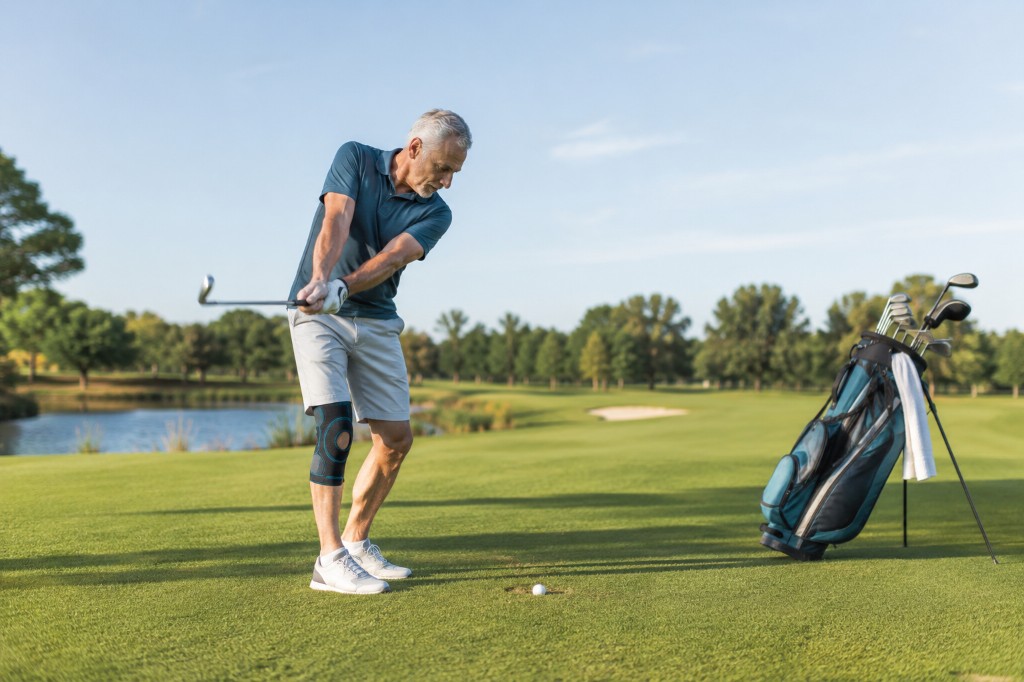
Introduction
For many active adults, golf is more than just a hobby—it's a passion, a social activity, and an important part of maintaining an active lifestyle. When knee pain from arthritis or joint degeneration starts affecting your game, even a simple round can become frustrating and uncomfortable.
Fortunately, modern knee replacement surgery has helped countless golfers return to the course with less pain and improved mobility. One of the most common questions orthopedic surgeons hear from golf enthusiasts is: "When can I return to golf after knee replacement?"
The answer depends on several factors, including the type of surgery performed, your overall health, rehabilitation progress, and the physical demands of your game. While every patient heals at a different pace, most golfers can safely return to the sport after completing key recovery milestones.
Understanding the recovery timeline and knowing how to ease back into golf can help protect your new joint while maximizing long-term performance.
TLDR – Quick Guide
- Most patients can begin putting and chipping around 6 to 8 weeks after knee replacement surgery.
- Many golfers return to playing partial rounds between 10 and 12 weeks, depending on recovery progress.
- Full rounds are often possible around 3 to 6 months after surgery.
- Recovery varies based on age, fitness level, rehabilitation, and overall health.
- Patients undergoing Partial Knee Replacement may return to golf sooner than those undergoing total knee replacement.
- Proper rehabilitation is essential for restoring strength, balance, and swing mechanics.
- Golfers with Knee Arthritis or Knee Osteoarthritis often experience significant improvements in comfort and mobility following surgery.
Why Golfers Often Need Knee Replacement Surgery
Years of Stress Can Take a Toll on the Knee Joint
Golf may appear low impact compared to contact sports, but the game places repeated stress on the knees.
Over time, golfers may develop:
- Arthritis
- Cartilage wear
- Joint inflammation
- Reduced flexibility
- Chronic knee pain
Walking long distances, navigating uneven terrain, and generating rotational force during the golf swing can become increasingly difficult as joint degeneration progresses.
Many golfers eventually pursue Dr. Hunter's Knee Replacement Service after conservative treatments no longer provide sufficient relief.
How Knee Replacement Can Improve Your Golf Game
Less Pain Often Leads to Better Performance
Most golfers considering surgery aren't necessarily trying to improve their handicap—they simply want to enjoy the game without pain.
Successful knee replacement can help:
- Reduce chronic joint pain
- Improve walking endurance
- Increase knee stability
- Restore range of motion
- Improve confidence during movement
Many patients find they can enjoy longer rounds, walk more comfortably, and focus on their game rather than their symptoms.
The First Six Weeks After Surgery
Focus on Healing Before Returning to Sports
The early recovery period is dedicated to healing and rehabilitation.
During the first six weeks, priorities typically include:
- Reducing swelling
- Managing discomfort
- Regaining knee motion
- Restoring strength
- Improving walking mechanics
While enthusiastic golfers may be eager to return quickly, rushing the process can increase the risk of setbacks.
Most patients are encouraged to focus entirely on rehabilitation during this stage.
Weeks 6 to 12: Beginning Golf-Related Activities
Putting and Chipping Often Come First
As strength and mobility improve, many patients begin returning to light golf-related activities.
Common milestones include:
- Practicing putting
- Chipping around the green
- Light swing drills
- Short visits to the driving range
These activities place less stress on the knee while helping golfers regain confidence and coordination.
Your surgeon and physical therapist can help determine when these activities are appropriate based on your progress.
Returning to the Driving Range
Gradually Rebuilding Swing Mechanics
The golf swing places rotational forces on the knees, particularly during weight transfer and follow-through.
Before returning to full swings, patients should demonstrate:
- Good balance
- Adequate flexibility
- Strong lower-body control
- Minimal swelling
- Comfortable walking
Many golfers begin with:
- Half swings
- Short irons
- Controlled practice sessions
Gradually increasing intensity allows the knee to adapt safely to the demands of the sport.
When Can You Play a Full Round of Golf?
Most Golfers Return Within Three to Six Months
The timeline for returning to full rounds varies from patient to patient.
Many individuals are able to:
- Play 9 holes around 10 to 12 weeks
- Return to 18 holes between 3 and 6 months
- Resume regular golf schedules after completing rehabilitation
Patients who follow their recovery plan closely often experience a smoother transition back to the course.
The primary goal is not simply returning quickly, but returning safely and comfortably.
Does Partial Knee Replacement Allow a Faster Return?
Preserving More of the Natural Knee
Patients undergoing Partial Knee Replacement may experience a faster recovery in some cases.
Because healthy portions of the knee are preserved, potential benefits may include:
- Smaller surgical exposure
- Faster rehabilitation
- More natural knee movement
- Earlier return to recreational activities
However, candidacy depends on the location and severity of joint damage.
A comprehensive evaluation helps determine whether partial replacement is an option.
Rehabilitation Is the Key to a Successful Return
Recovery Doesn't End When Surgery Does
The strongest predictor of a successful return to golf is often commitment to rehabilitation.
Physical therapy focuses on:
- Strength development
- Balance training
- Flexibility improvement
- Functional movement
- Sport-specific progression
Patients who consistently follow their rehabilitation program often regain confidence and performance more effectively.
The work completed during recovery directly influences long-term outcomes on and off the course.
Golf Swing Modifications After Knee Replacement
Small Adjustments Can Reduce Joint Stress
Many golfers benefit from making subtle adjustments after surgery.
Potential modifications include:
- Using a golf cart initially
- Reducing excessive rotational force
- Improving swing efficiency
- Shortening practice sessions
- Choosing supportive footwear
These adjustments can help reduce stress on the knee while maintaining enjoyment of the game.
Many patients eventually return to their normal style of play as recovery progresses.
The Role of Sports Medicine in Golf Recovery
Supporting Active Patients Beyond Surgery
Returning to sports requires more than simply healing from surgery.
Dr. Hunter's Sports Medicine services focus on helping active adults safely return to the activities they enjoy.
For golfers, this may include:
- Movement assessments
- Strength optimization
- Injury prevention strategies
- Functional recovery planning
- Return-to-play guidance
The goal is not only to recover from surgery but also to maximize long-term performance and joint health.
Who Tends to Return to Golf the Fastest?
Factors That Influence Recovery
Several factors can impact recovery speed, including:
- Overall health
- Age
- Fitness level
- Weight management
- Surgical technique
- Rehabilitation participation
- Preoperative strength
Patients who enter surgery in good physical condition often recover more efficiently and return to activities sooner.
However, every recovery journey is unique and should progress at an individualized pace.
Key Takeaways
- Most golfers can return to golf after knee replacement surgery.
- Putting and chipping often begin around 6 to 8 weeks after surgery.
- Many patients resume partial rounds between 10 and 12 weeks.
- Full rounds are commonly possible within 3 to 6 months.
- Rehabilitation plays a critical role in recovery and long-term success.
- Patients undergoing Partial Knee Replacement may return to golf sooner than some total knee replacement patients.
- Individuals suffering from Knee Arthritis or Knee Osteoarthritis often experience substantial improvements in comfort and mobility after surgery.
- Knee Replacement Service options can help active adults return to the sports and recreational activities they enjoy.
- Sports Medicine support can further optimize recovery and return-to-play outcomes.
FAQs
How soon can I play golf after knee replacement surgery?
Most patients can begin putting and chipping around 6 to 8 weeks after surgery. More demanding activities such as full swings and playing rounds typically require additional healing time. Your surgeon will help determine when it is safe to progress.
Can I walk 18 holes after knee replacement?
Many patients eventually return to walking 18 holes comfortably after recovery. However, this often takes several months of healing and rehabilitation. Building strength and endurance gradually is important for long-term success.
Is golf safe after knee replacement surgery?
Yes, golf is generally considered a safe and low-impact activity after knee replacement. Most orthopedic surgeons encourage patients to return to golf once appropriate recovery milestones are achieved. Following rehabilitation guidelines helps reduce injury risk.
Does partial knee replacement allow a faster return to golf?
In some cases, yes. Partial knee replacement preserves more natural tissue and may allow for quicker rehabilitation. However, recovery timelines vary based on individual factors and surgical outcomes.
Will my golf swing change after knee replacement?
Some golfers make temporary adjustments during recovery to reduce stress on the knee. As strength and mobility improve, many patients return to a comfortable and effective swing. Working with healthcare professionals can help optimize movement patterns and performance.
Ready to discuss your hip or knee concerns with Dr. Hunter?